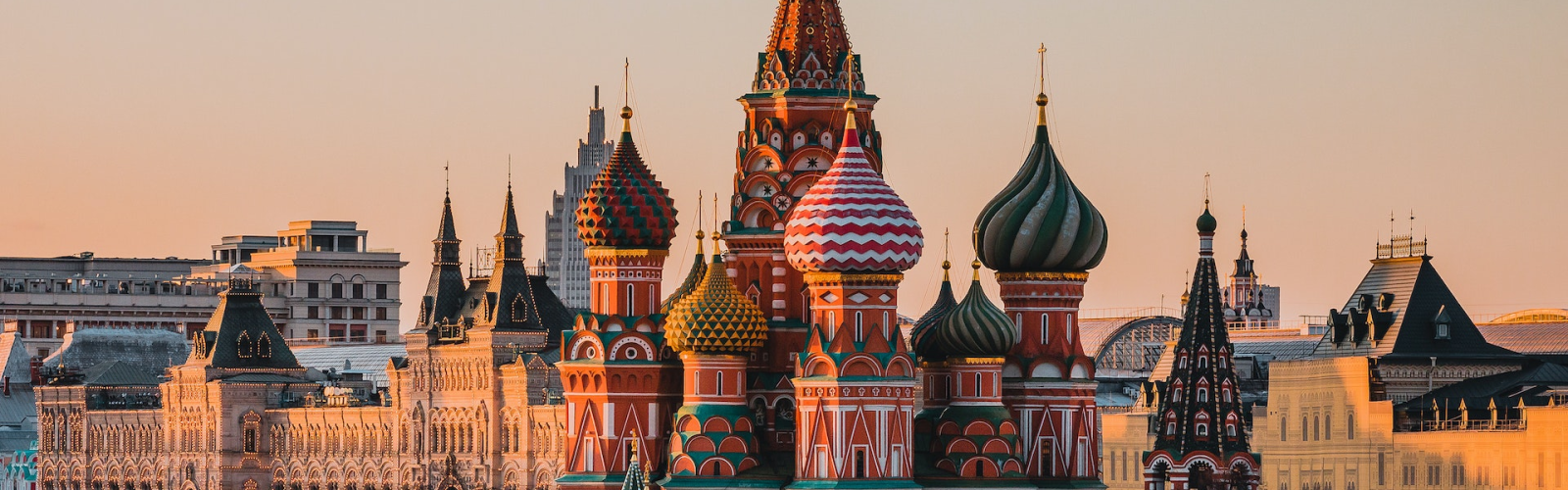
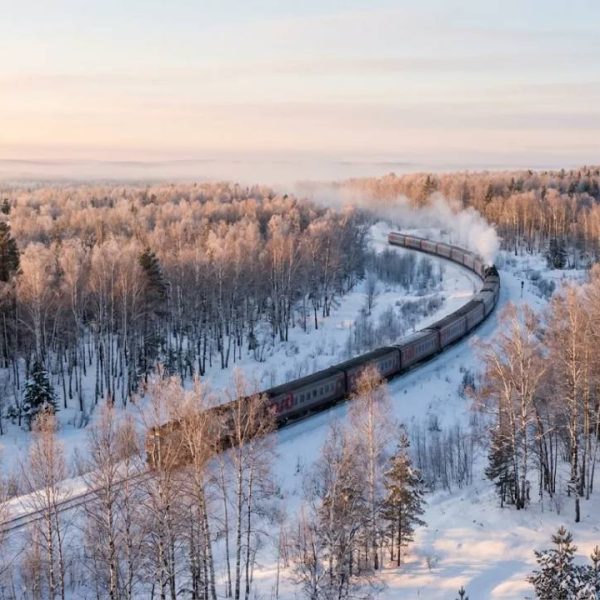
A long train journey across Russia is one of the great travel adventures. Endless forests, small stations with babushkas selling snacks, the slow rhythm of the wheels and conversations with strangers over tea make the trip feel like an event in itself, not only a way to move between cities. Planning it well turns a long ride into a comfortable and memorable experience, especially if it is your first time.
Entry rules, visas and travel advice change often. Check official government guidance for your country before you book anything.
Understand the Scale
Russia is enormous, and the famous Trans-Siberian route between Moscow and Vladivostok covers more than 9,000 kilometers and takes about a week without stops. Most travelers do not ride the whole line in one go. Many break it into shorter sections with stops in cities such as Kazan, Yekaterinburg, Novosibirsk or Irkutsk, and some choose a single overnight trip between two big cities. The Britannica entry on the Trans-Siberian Railroad gives a clear overview of the route and its history.
Pick the Right Class of Ticket
Long distance trains usually offer several types of carriages. Platskart is an open plan carriage with bunks, the cheapest option and a very social one. Kupe is a closed compartment with four berths, and it suits couples, friends or solo travelers who want a bit more privacy. Some trains also have two berth compartments, which cost more but are quieter and more comfortable.
For a first long trip, a four berth compartment offers the best balance between price, privacy and atmosphere.
Book Tickets Carefully
Tickets can be booked through official railway channels or through agencies that specialize in foreign travelers. Book early for popular dates in summer and around holidays, since lower berths and the best trains sell out. Check the departure time carefully, because many timetables and station boards use Moscow time even in distant regions, which can differ from local time by several hours.
Pack for Comfort
Bring light clothes you can layer, comfortable slippers, a reusable water bottle, a small towel and basic toiletries. Add earplugs, an eye mask and a portable charger, because outlets can be limited. A deck of cards or a good book helps pass the quiet hours, and a flashlight is handy when the lights are off at night.
Eat and Drink Like a Local
Many carriages have a hot water boiler, so bring tea bags, instant coffee and something to eat. Passengers often share simple meals of bread, cheese, boiled eggs, cucumbers and sausage. Some trains have a dining car, though the quality varies. At longer stops, local vendors sell hot potatoes, pies and dried fish on the platform, and you can try them as long as you keep an eye on the clock.
Watch the Clock at Stations
Stops can last from two minutes to half an hour. The carriage attendant will tell you how long each one is, and it is wise to stay close to your carriage and never wander far. Take photos of the carriage number and the platform so that you can find your way back easily.
Learn a Little Russian
English is not widely spoken in small towns and on trains, so a few phrases go a long way. Learn to read the Cyrillic alphabet, which unlocks station names, signs and menus. Say hello, thank you and please in Russian, and people will respond warmly. Curious learners often wonder how hard the language really is, and this article on the hardest languages to learn gives some realistic context.
Prepare Your Documents
Keep your passport, tickets, visa and any registration papers within easy reach. Make copies and store digital scans separately. If you need official papers such as insurance, invitations or personal certificates in Russian, Russian document translation by a qualified linguist helps authorities and hosts understand exactly what each page says.
Stay Safe and Respectful
Travel with a light bag, keep valuables close while you sleep and lock the compartment door at night if possible. Be polite to the carriage attendant, who often acts as host, cleaner and guide in one. Ask before taking photos of people, and follow local rules about photography near stations, bridges and official buildings.
Enjoy the Slow Pace
The greatest luxury on a long train is time. Watch the scenery change from city to forest to steppe, read, write in a journal and talk to fellow passengers. Many travelers say the conversations on board became the best memories of the entire trip, and that the journey felt shorter than expected once they stopped watching the clock.
Plan Your Arrival Too
Book your first night at the destination in advance and check how to get from the station to your accommodation. Trains sometimes arrive at early hours, so ask the hotel whether you can check in early. A smooth arrival completes a good journey and leaves you energized for the days ahead.