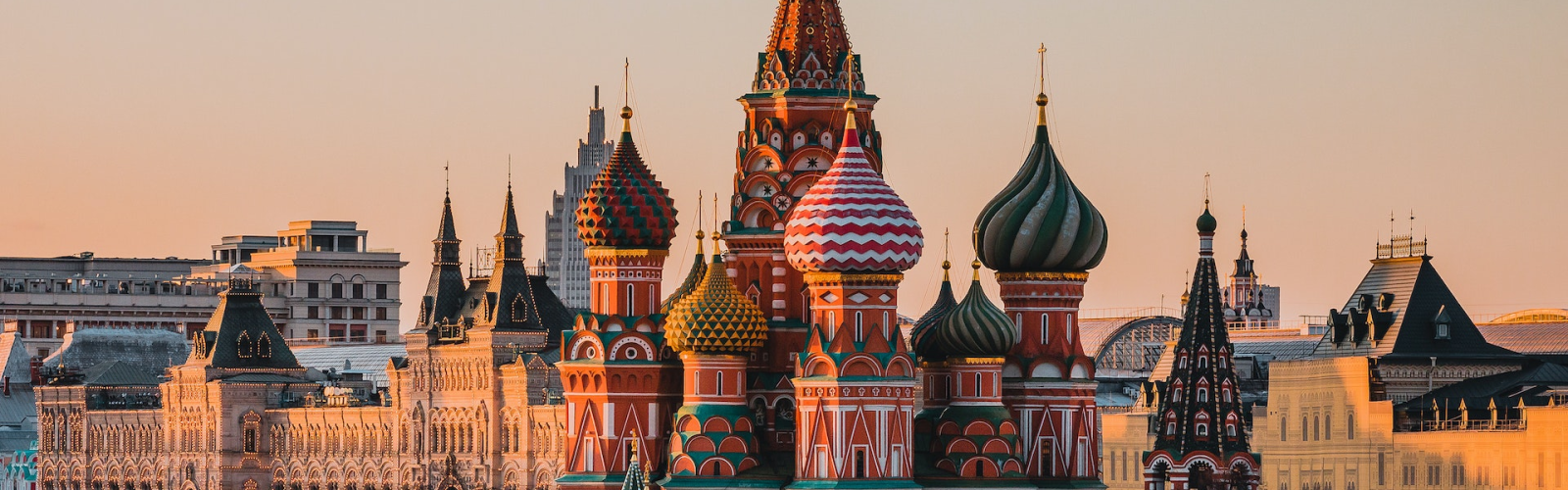
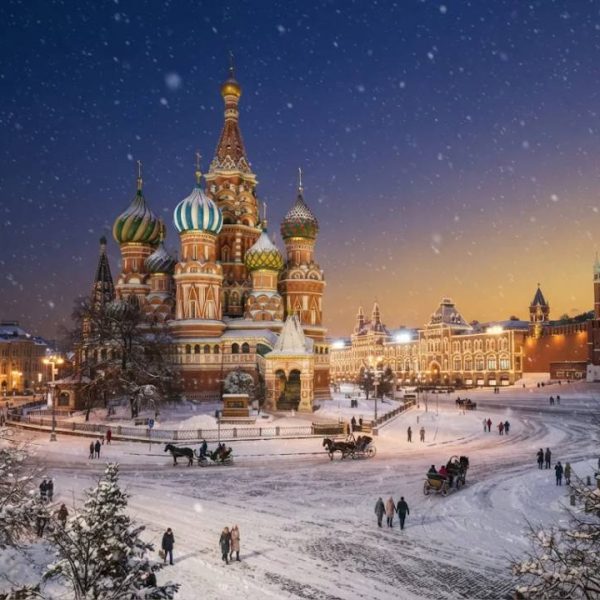
Russia in winter looks like a postcard. Domes covered in snow, frozen rivers, warm tea rooms and long nights lit by golden lamps create a mood that summer visitors never see. A winter trip needs more planning than a beach holiday, but the reward is a side of the country that feels magical and quiet.
Know the Basics Before You Go
Check entry requirements early, since rules for visas, registration and insurance can change. Allow plenty of time for paperwork, and keep digital and printed copies of every document in separate bags.
Official advice from your government is the most reliable source. Reading up before you book is far cheaper than fixing a problem at the border. Make sure your passport has enough validity and blank pages.
Dress for the Real Cold
Winter temperatures in Moscow and Saint Petersburg often drop below freezing, and in Siberia they can fall much lower. Layers are the key: thermal underwear, a wool sweater, an insulated coat, a hat, gloves and waterproof boots with good grip.
Indoor spaces are warmly heated, so you will be taking layers off and on. Carry a small bag for your hat and gloves, and wear socks that wick moisture rather than trap it.
Cities Worth the Trip
Moscow offers grand squares, metro stations decorated like palaces and world class theaters. Saint Petersburg adds canals, museums and white winter light. Smaller cities of the Golden Ring, such as Suzdal and Vladimir, show old wooden houses and monasteries under snow.
Plan at least three days in each major city. Winter days are short, so start early and leave time for indoor stops such as museums, cafes and bathhouses.
Food and Warm Drinks
Hearty dishes make sense in cold weather. Borscht, pelmeni dumplings, blini with sour cream and hot tea from a samovar are favorites. Try honey cakes and fruit preserves, and look for local markets selling pickles and smoked fish.
Cafes and tea rooms are perfect places to warm up between sights. Ask for the dish of the day, since many places offer a fixed lunch at a good price.
Getting Around
The metro in big cities is fast, cheap and beautiful, although signs may appear mainly in Cyrillic. Learning to recognize station names helps a lot. Trains between major cities are comfortable, and overnight services make sense for longer distances.
Use official taxi apps or hotel taxis rather than random street offers. Always keep addresses written in Russian on your phone or on paper, so you can show them to drivers.
Language and Paperwork
English is spoken in hotels and tourist sites, but outside them you will meet more Russian. A few phrases like spasibo for thank you and pozhaluysta for please make a difference. Translation apps are handy for menus and signs.
If you need official papers, such as invitations, insurance records or certificates for work, a professional service for russian document translation makes sure that officials can read your files without delays and that names and dates are rendered exactly.
Visa Related Documents
Travel often involves forms, invitations and proof of funds. Every country sets its own rules for how these must be presented, and translations may need certification. Mistakes in names or dates can cause delays.
This guide on translation for visa applications shows what offices expect, and the same logic helps when you prepare paperwork for other destinations.
Official Travel Advice
Governments publish regular advice for travelers, including health, safety and entry rules. The U.S. Department of State travel site is one well known example, and many countries run similar services for their citizens.
Check advice just before you leave, and register for alerts if your country offers them. Conditions can change quickly.
Staying Safe and Respectful
Keep valuables secure in busy places, avoid unmarked taxis and follow local rules about photography near sensitive sites. Carry a copy of your passport, and ask before photographing people, especially in religious buildings.
Dress modestly in churches, and cover your head if asked. Respectful behavior opens friendly conversations and makes locals more willing to help.
Winter Activities
Ice skating in city parks, sleigh rides, banya visits and cross country skiing are popular. Winter festivals bring markets, music and food stalls, and New Year celebrations are especially lively.
Book popular theater tickets in advance. Check opening hours at museums, since many close one day a week and may shorten hours in winter.
Final Thoughts
A winter trip to Russia rewards good preparation. Check the rules, dress for the cold, learn a few words and keep your documents in order. With careful planning, you will return with photographs of golden domes in snow and stories of warm hospitality that last well beyond the season.
Money and Connectivity
Check how payments work before you travel, since international cards may not work everywhere and cash needs may differ. Carry a small amount of local currency for markets and small shops. Plan mobile connectivity in advance, and download offline maps and translation packs before you leave home so you always have a backup.